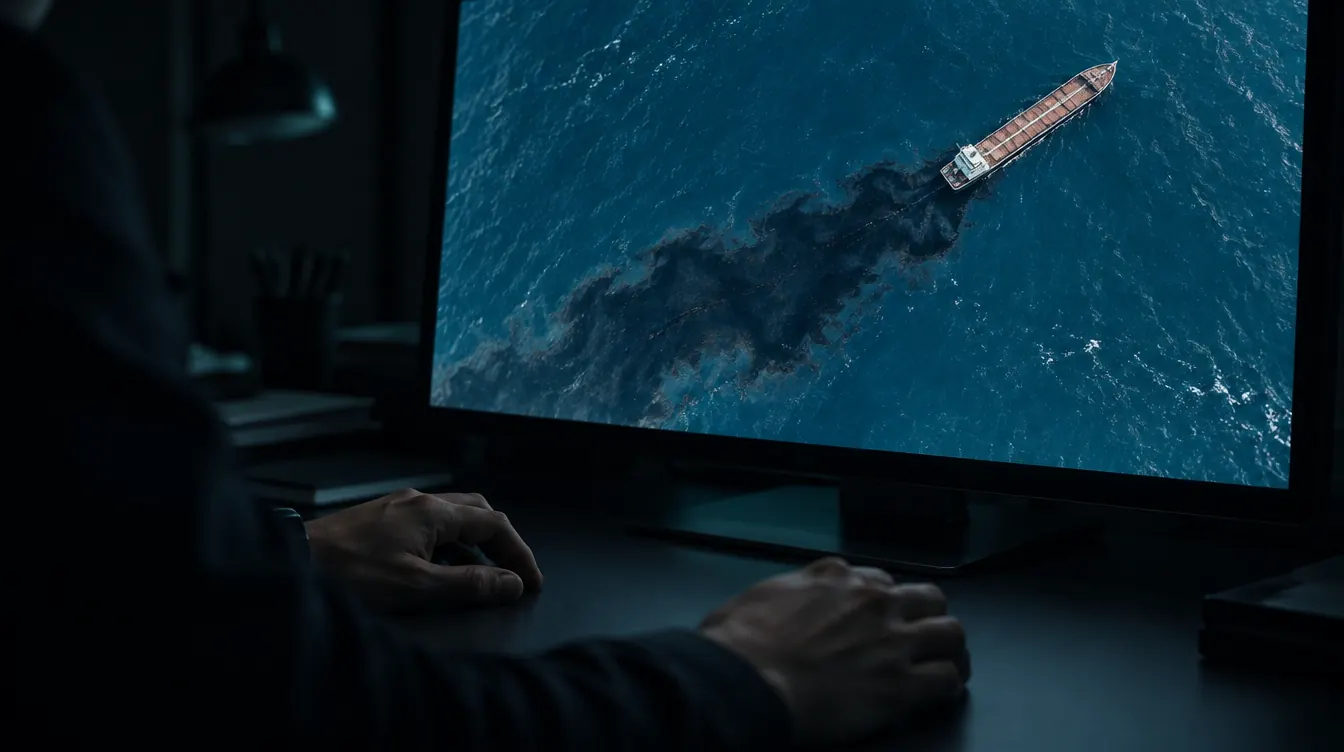
01
Investigative Excellence
Satellite radar, machine learning and open-source intelligence — turned into actionable reports for authorities, institutions and partner organizations.
Mediterranean Environmental Protection Agency
Independent environmental monitoring for the Mediterranean — combining AI, satellite intelligence and evidence-based reporting.
The Mediterranean is one of the busiest maritime corridors in the world.
Pollution offshore may spread for hours or days before becoming visible from land.
MEPA exists to bring automation and artificial intelligence to the watch over the Mediterranean — continuously scanning open-source information for environmental violations, and making sure what it finds reaches the authorities who can act.
Our objective is not only to expose environmental violations, but to ensure they are addressed through legitimate institutional channels.
What we do
Three commitments drive every case we open — from the first anomaly on a satellite pass to the report on an authority’s desk.
Satellite radar, machine learning and open-source intelligence — turned into actionable reports for authorities, institutions and partner organizations.
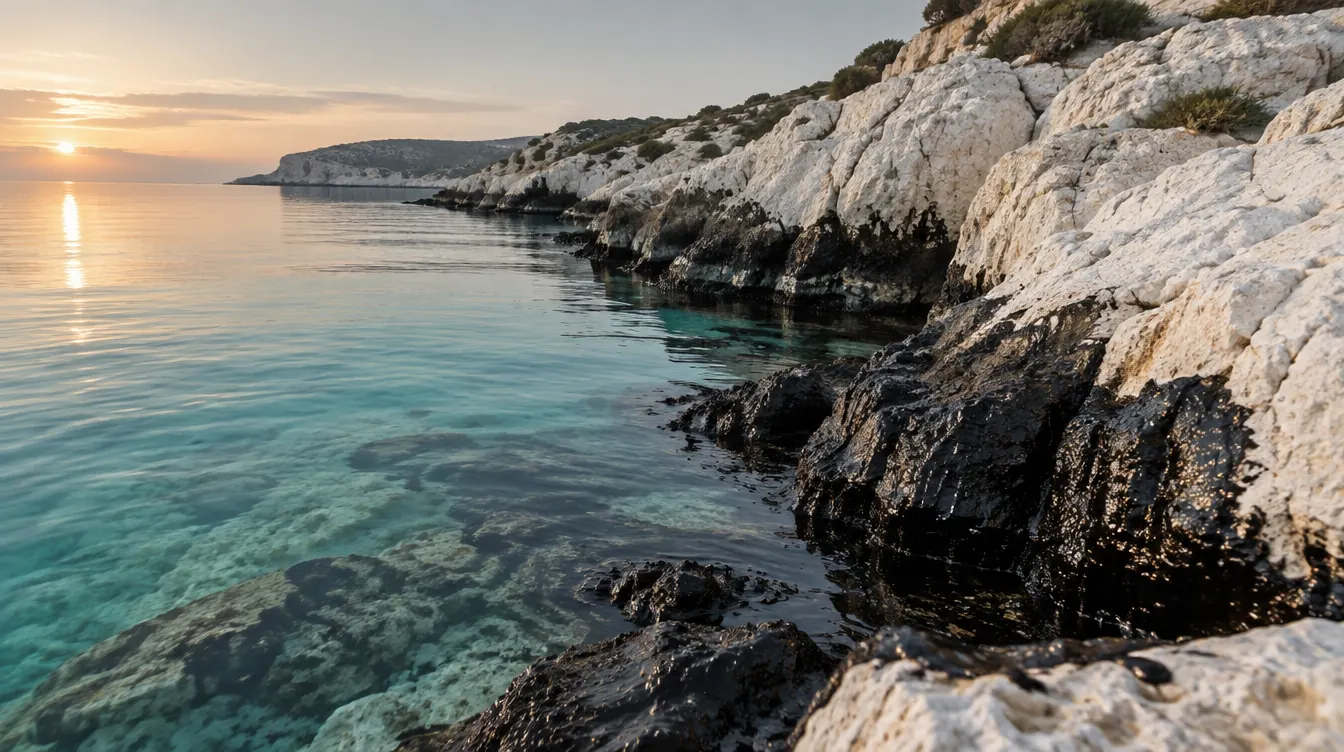
Protecting coastal and marine ecosystems, combating illegal dumping and environmental degradation, and promoting sustainable practices across the Mediterranean.
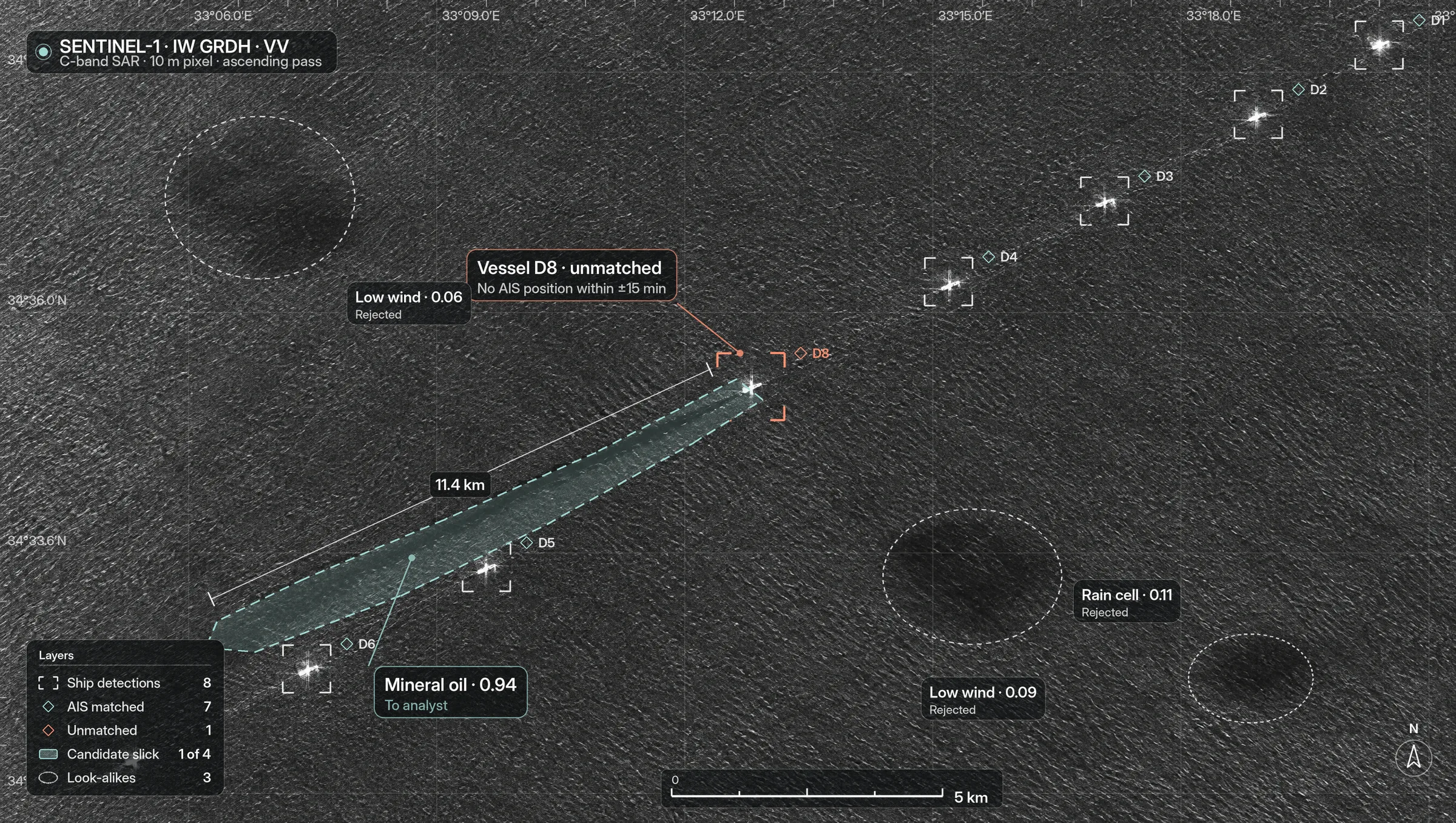
Every verified finding becomes an evidence package — timestamped, hashed and traceable — delivered to the authority that can act on it.
How it works
This is the pipeline MEPA is building: automation finds the signal, people verify it, and every finding becomes a documented, traceable report.
Radar satellites sweep the basin day and night — straight through cloud and darkness.
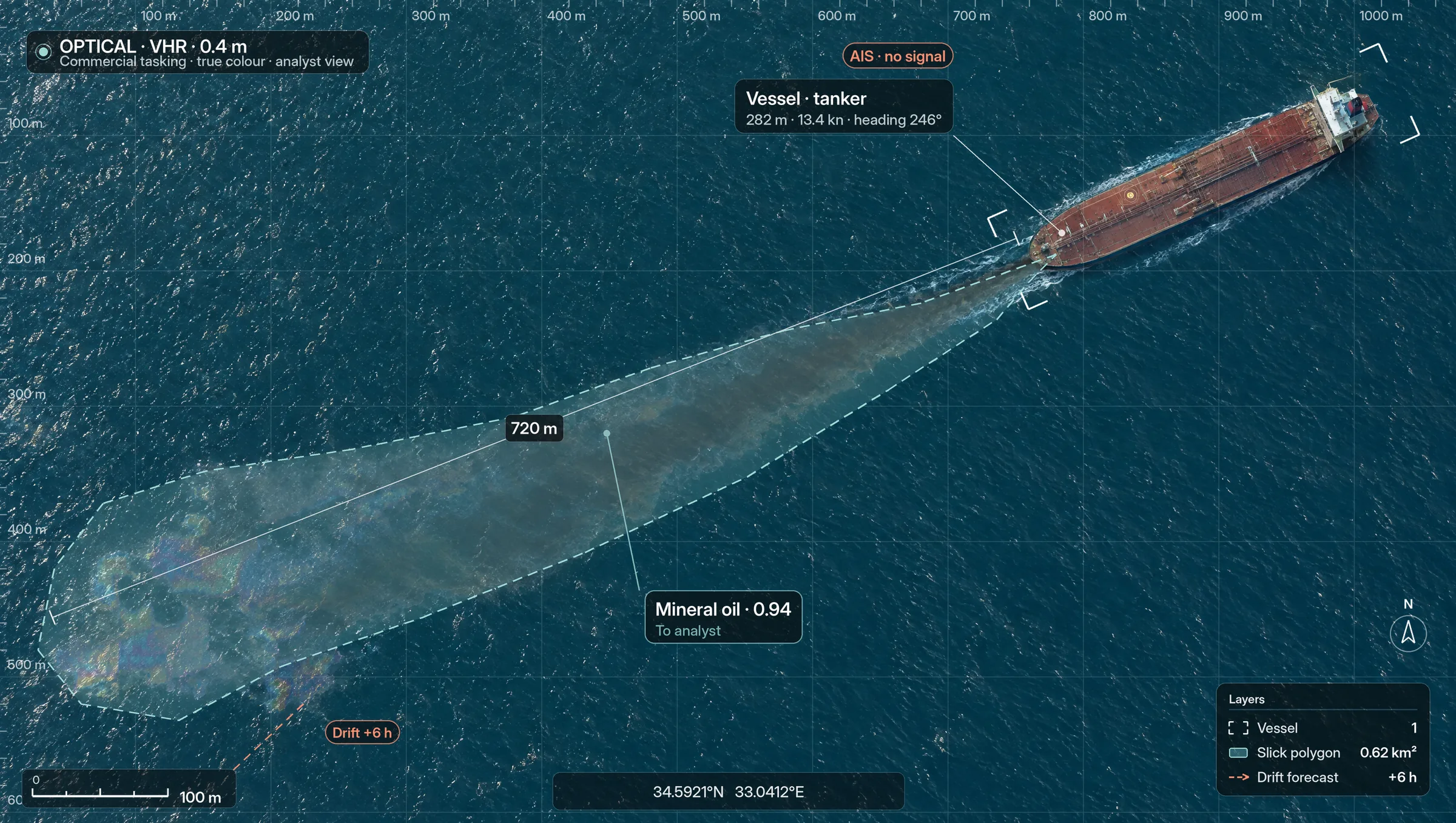
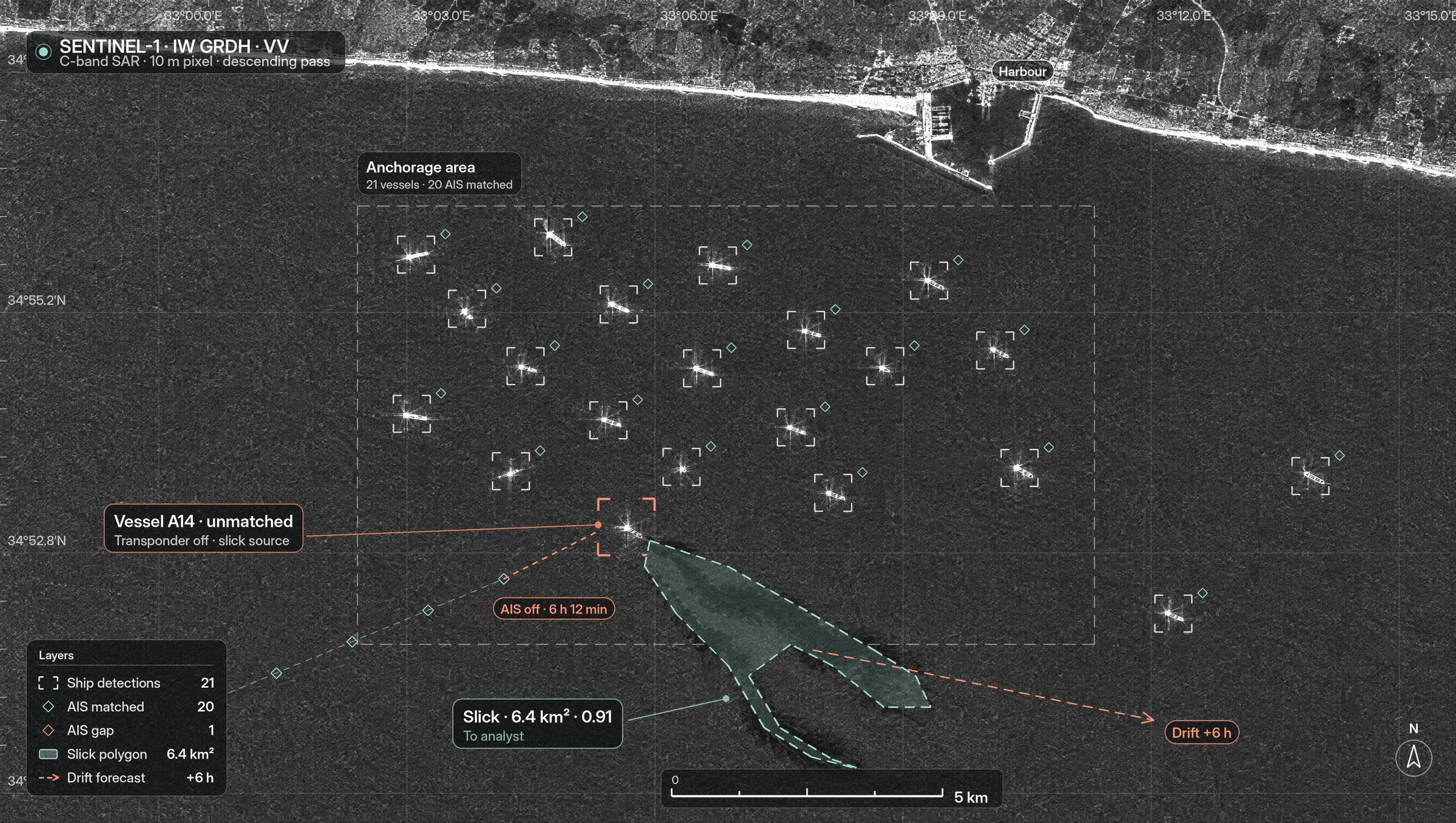
Oil flattens the waves, so a slick reads as a dark streak on radar. The system flags it.
Machine learning separates oil from look-alikes — low wind, algal films, rain cells — and scores its confidence. Only strong cases reach an analyst.
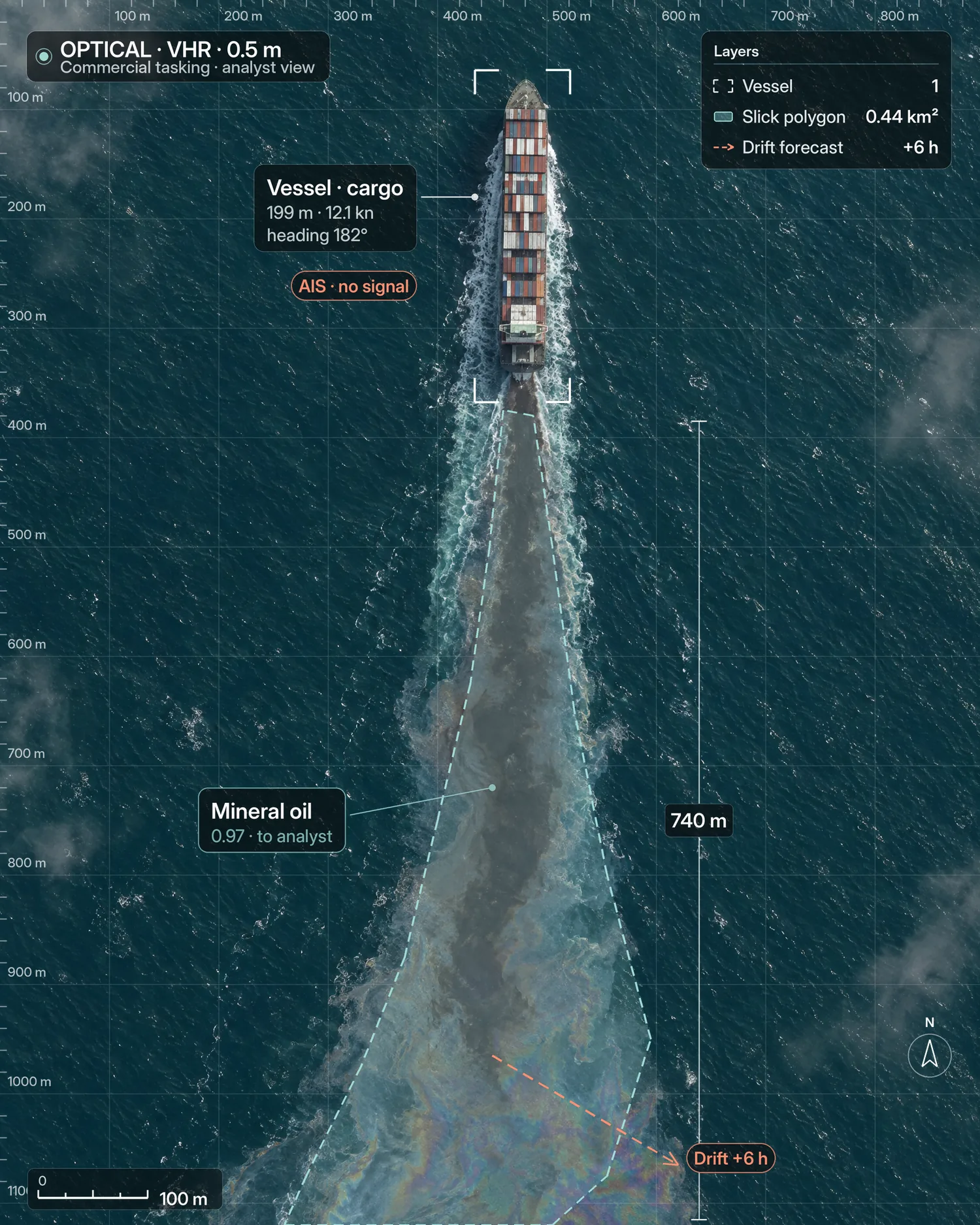
Transponder off? The radar still sees the hull. Its size, heading and route are matched against years of historical AIS tracks to name the ship — then its owner, flag and sanctions exposure.
Analysts confirm every finding with drift models and timelines; our partner PolarVector adds ownership intelligence and lawful verification on the ground.
The evidence package builds itself — timestamped, hashed and sent to the authority that can act. Then we follow up.
By the numbers
Sourced figures on pollution in the Mediterranean — and on the gap between what satellites see and what is ever checked.
7,513
Possible oil spills were detected by satellite in EU seas in 2023.
Source: EEA, EMSA CleanSeaNet, 2023
5%
Of the 2,464 detections checked on site, 133 were confirmed as mineral oil. Most of what satellites see is never verified. That gap is the work.
Source: EEA, 2023
570k
Tonnes of plastic enter the Mediterranean every year, a sea with about 1% of the world’s water and around 7% of its microplastics.
Field record
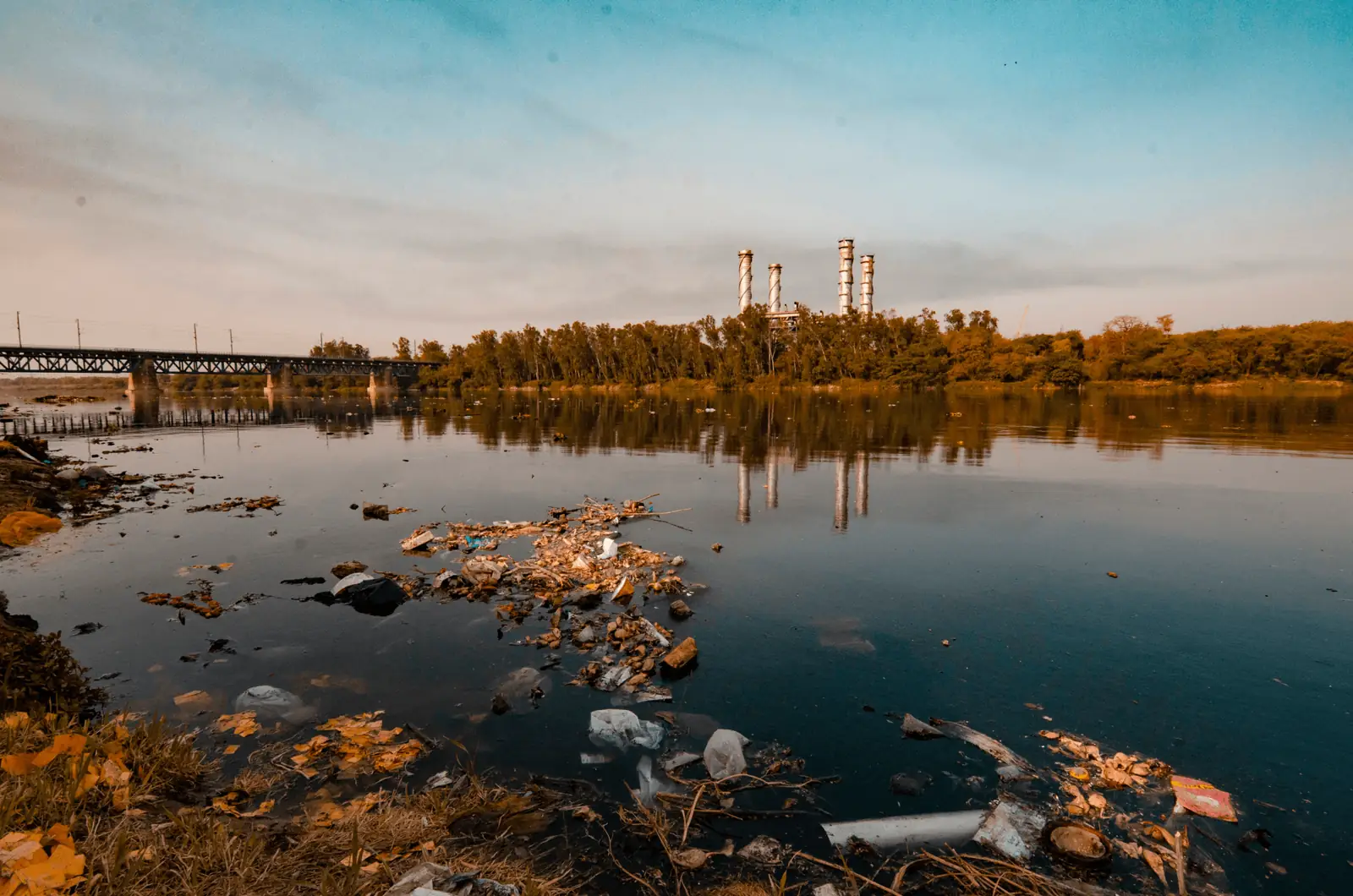
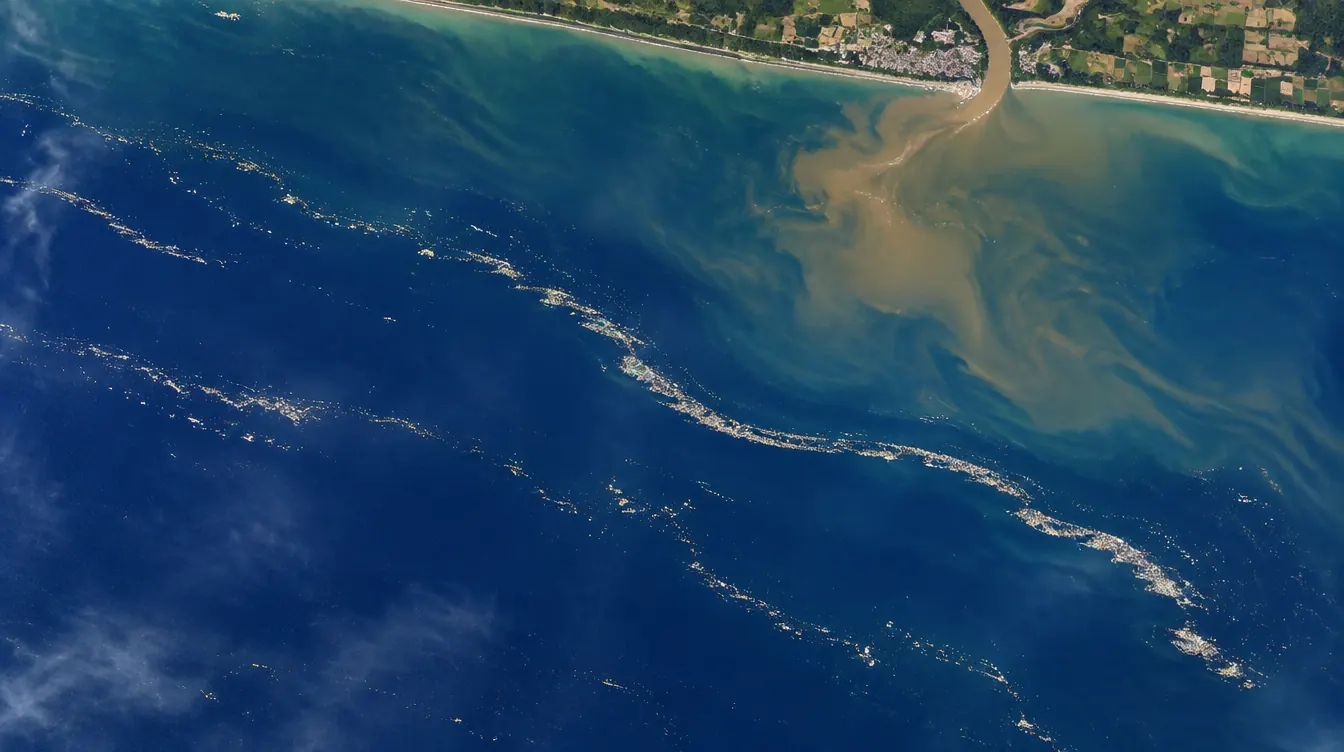
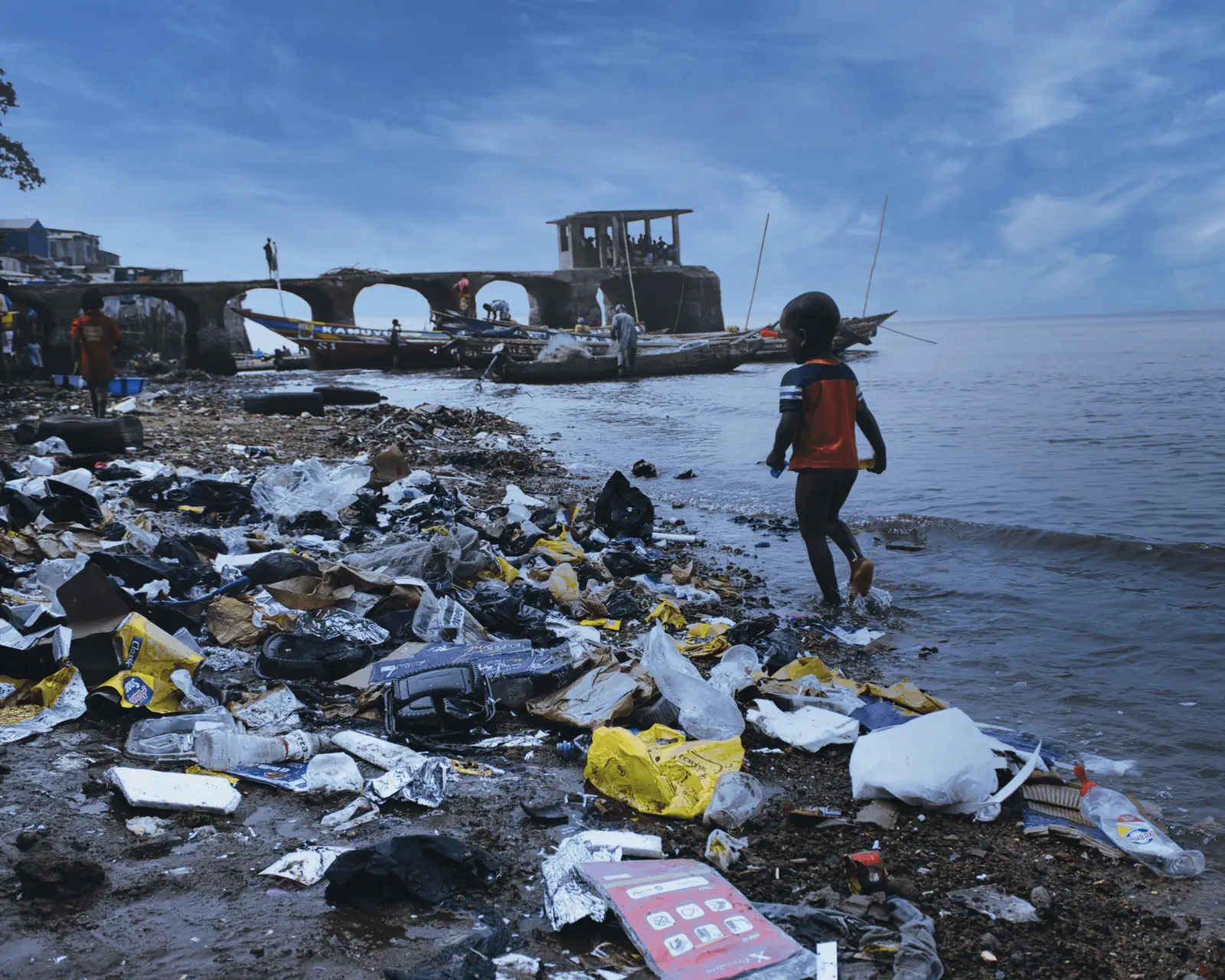
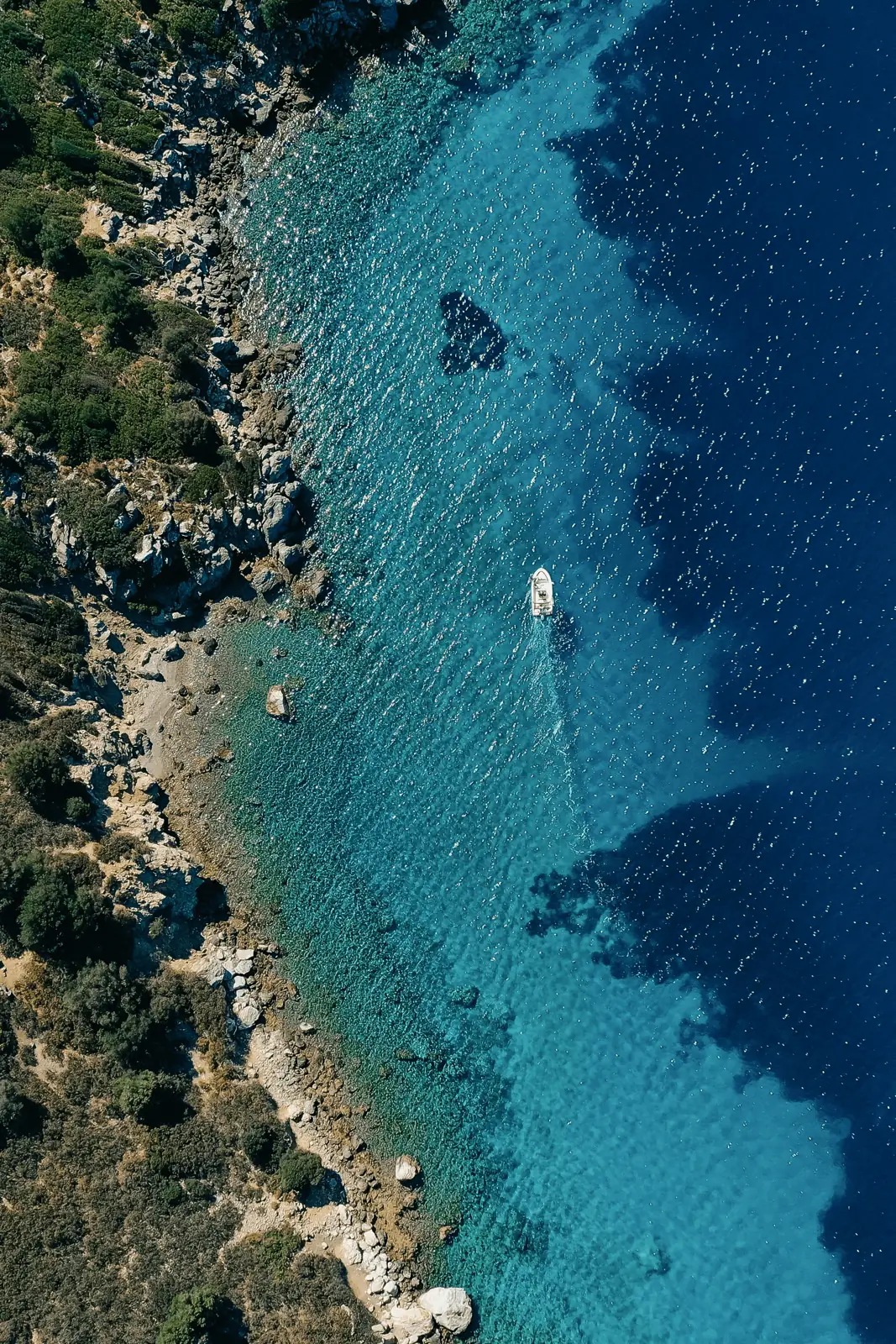
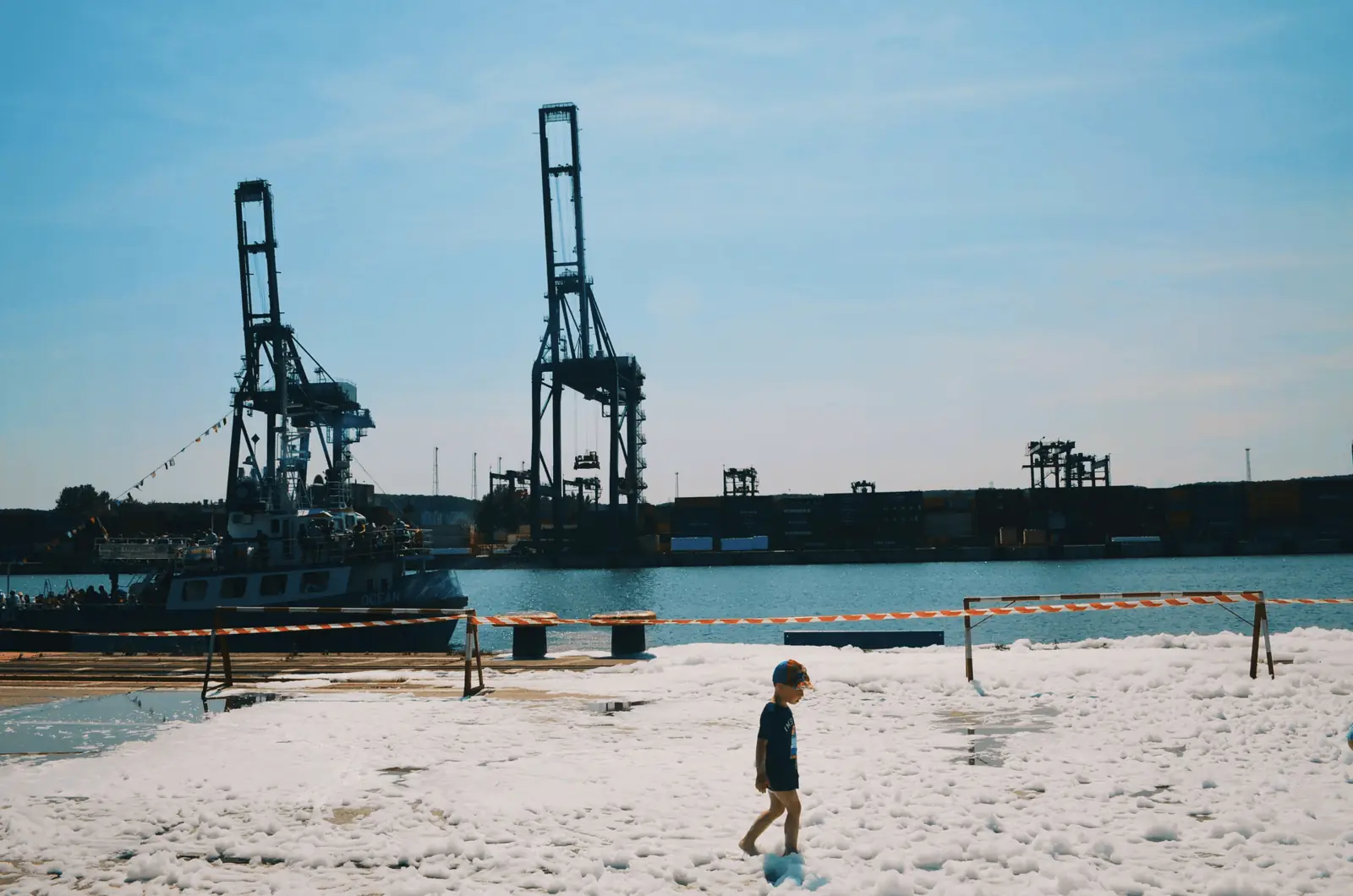
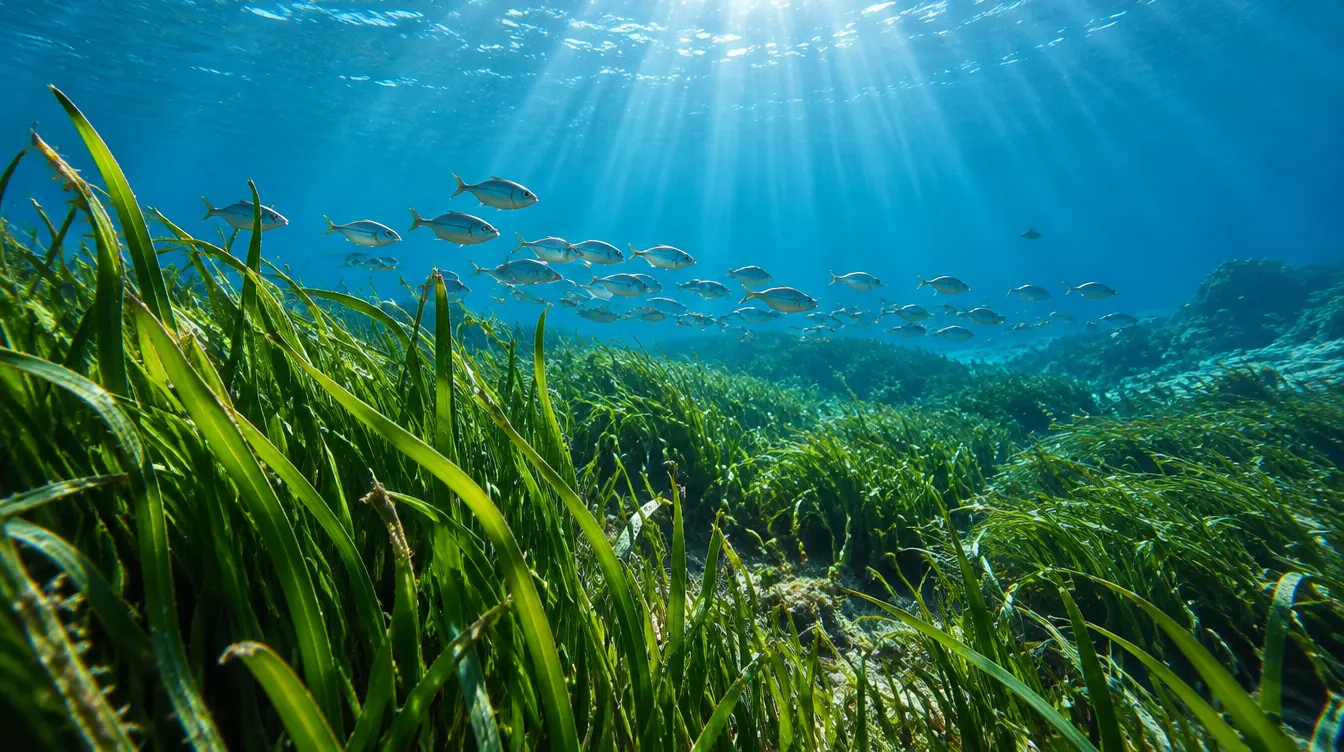
What we aim to document: the pollution and the places it reaches. The photographs here illustrate the problem and are not a record of MEPA fieldwork.
Why it matters
95%
Of the floating litter and beach waste in the Mediterranean is plastic.
Latest investigations
A theoretical look at what Starlink V3 is and is not, and what MEPA could do with data from such a network if it were ever shared.
Read the note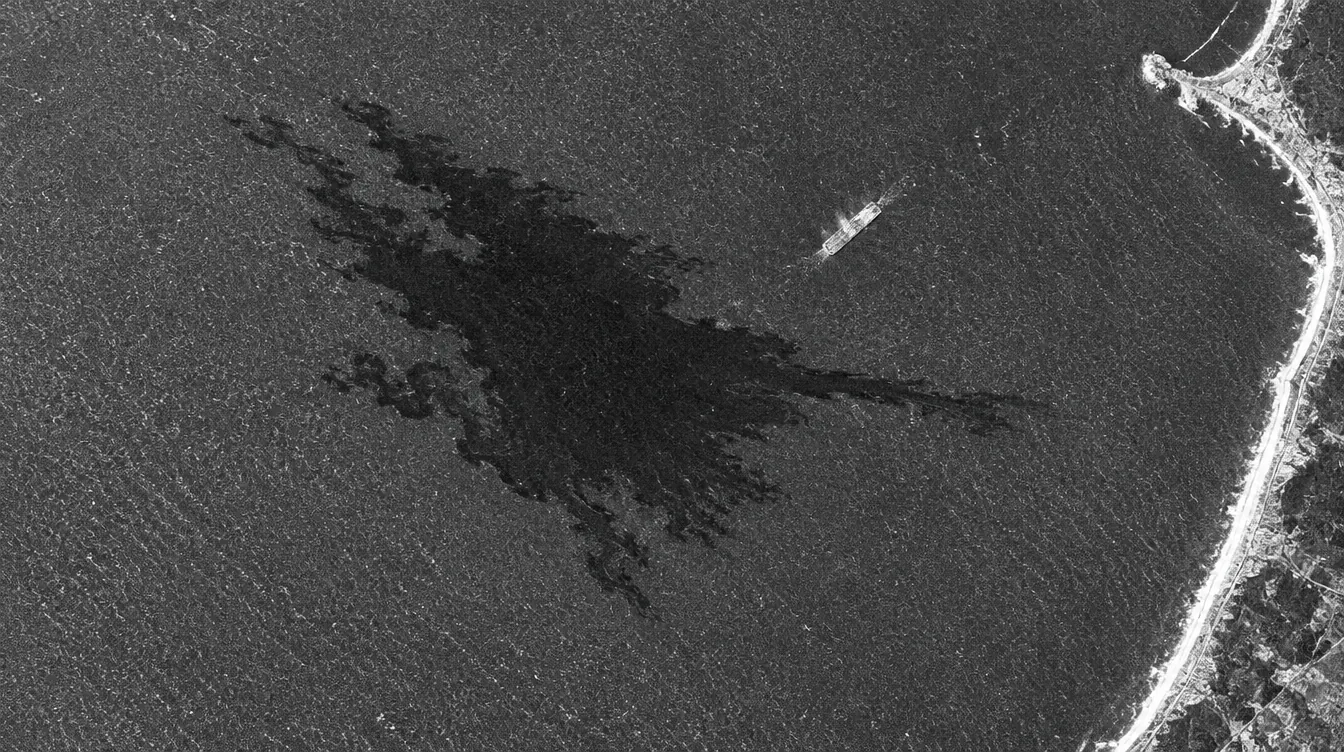
In this illustrative case, MEPA keeps watching after containment begins — tracking the response, shoreline and seagrass from orbit.
Read the reportWhen a ship switches off its transponder, the slick it leaves could still be traced — to the vessel, and to the companies behind it.
Read the report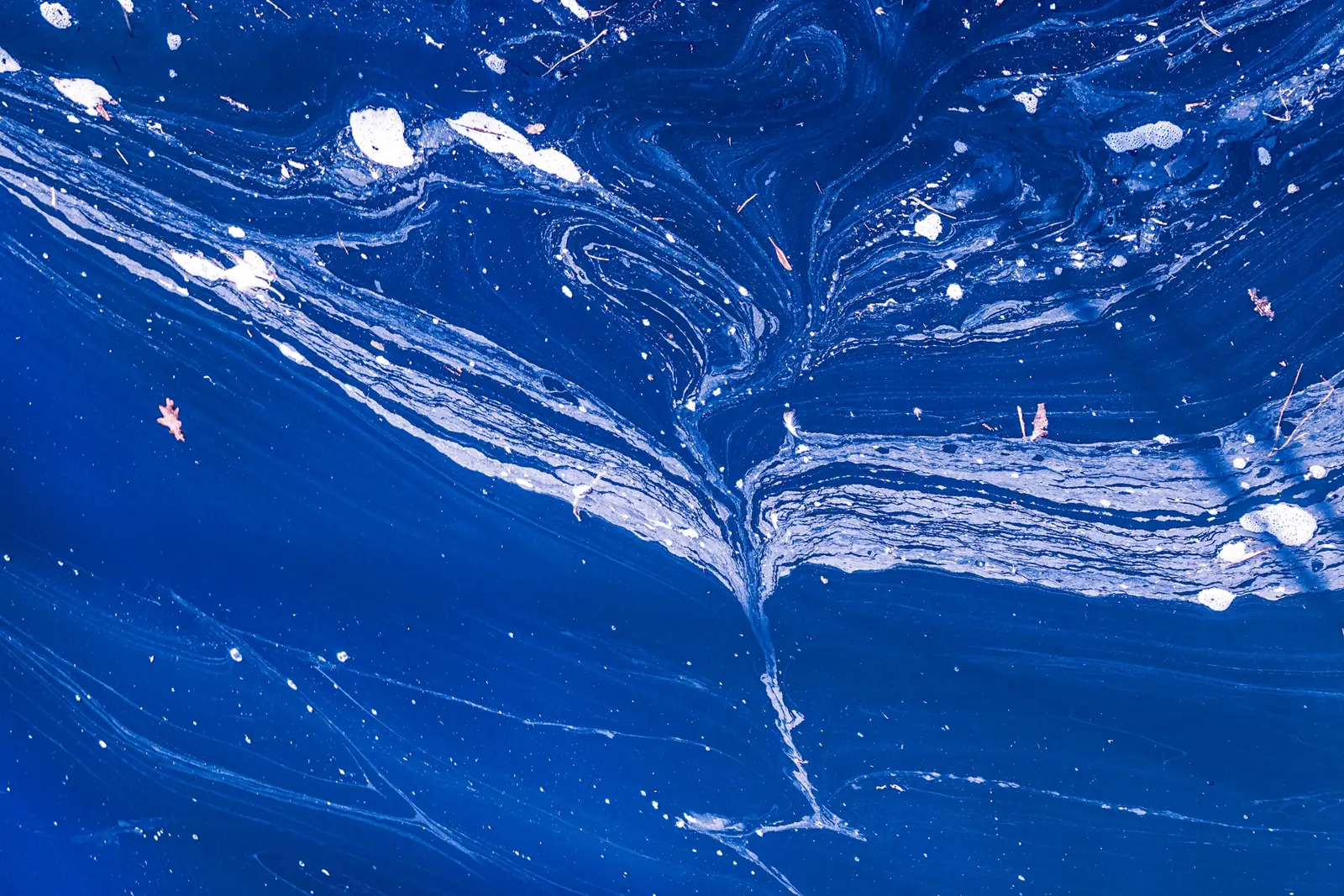
From the first satellite flag to a referral authorities could act on: how an imagined Eastern Mediterranean spill would be detected, traced and documented.
Read the report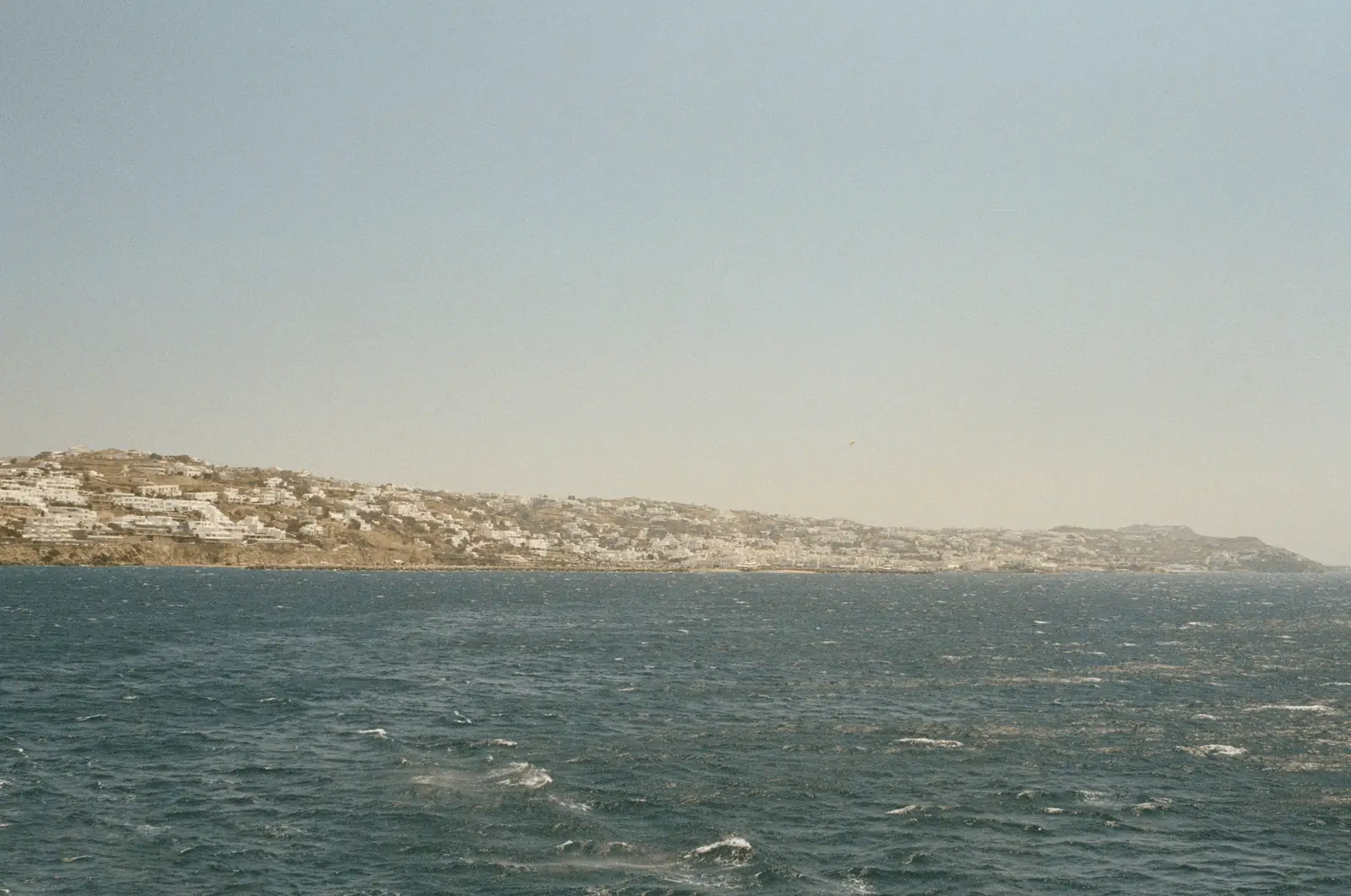
Why small, repeated discharges go unseen — and how radar satellites, machine learning and analyst-reviewed alerts are designed to bring them to light.
Read the report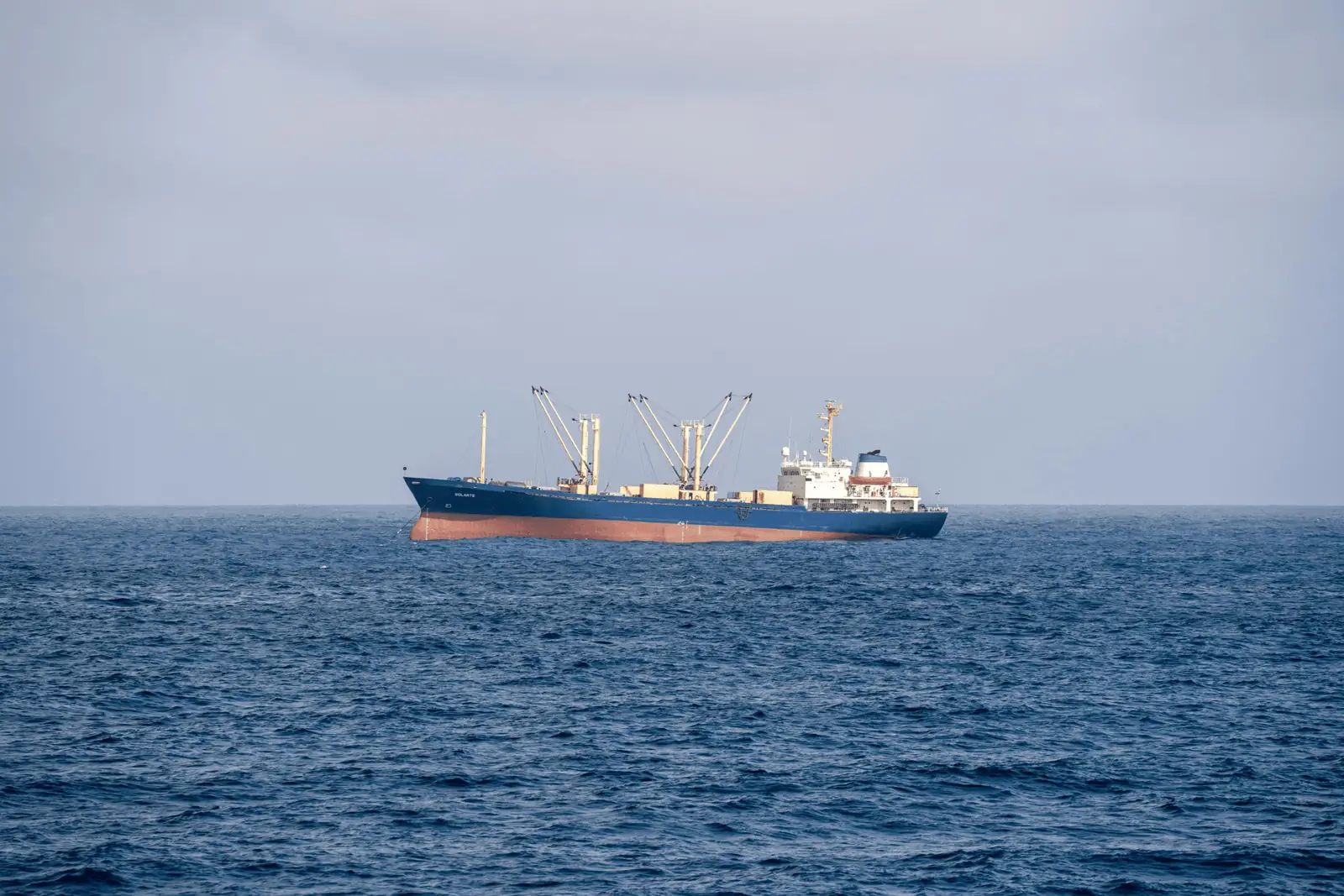
Long-term plan
A concept for a 200 kg satellite that looks at the sea in colour and in heat, listens for ships, and gives MEPA its own view of chosen areas of the Mediterranean. We prove the need first, with free and bought imagery.
Support the work
Every contribution is tied to a named objective — an investigation, a survey, a piece of equipment — with its progress in the open.
MEPA accepts donations in Monero (private by design); card donations will follow through a partner platform. Foundations and public funders: write to us. How to give · Funder brief · Talk to us first
Pollution reporting
Your observations can make a difference. Help us address pollution and protect our ecosystems.
If you witness any pollution or environmental violations, please report them to help us take action.
Prefer to talk? admin@mepa.ngoInstagram
